
Member Success: Publication
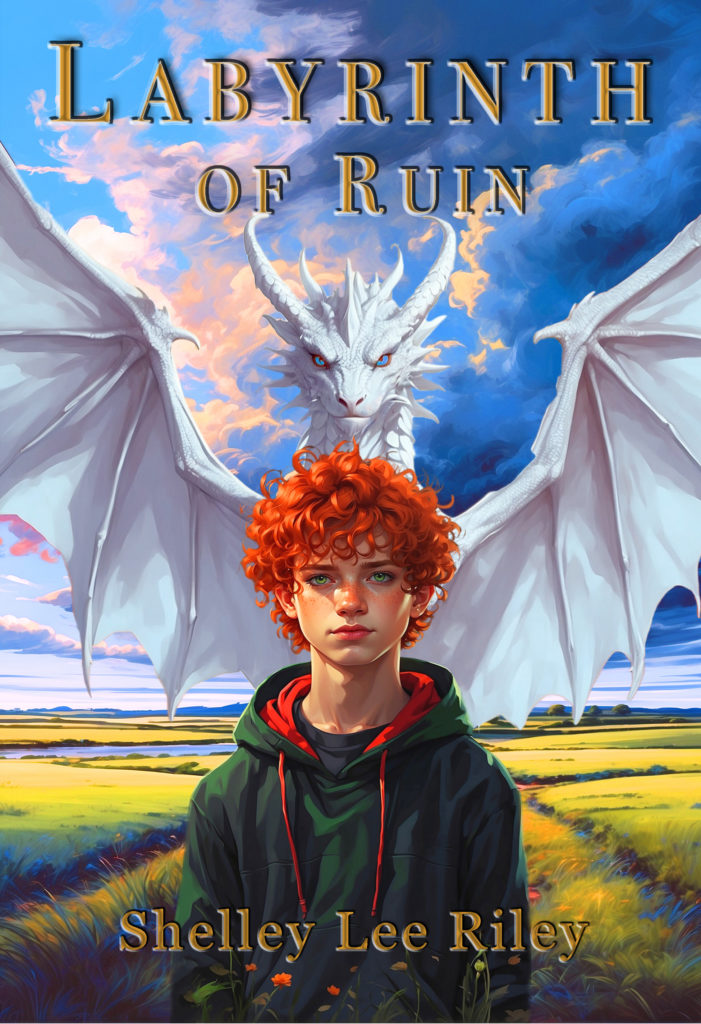
Shelley Lee Riley’s middle grade fantasy novel, Labyrinth of Ruin, was published on April 5, 2024 and is now available on Amazon.
Shelley Lee Riley’s middle grade fantasy novel, Labyrinth of Ruin, was published on April 5, 2024 and is now available on Amazon.

Dublin, CA has been transformed into a poetry lover’s dream for National Poetry Month (April). Twenty-Five poets from Dublin, the SF Bay Area, and beyond have “Poetry Posters” featured in 25 Dublin local businesses. The following TVW members are included in this event:
Constance Hanstedt for “Dry Season” at Bagel Street Café; Marie Anne Poudret for “Desire” at The Wave; Patricia Boyle for “Soap Bubble” at Fresh Millions Restaurant; James Morehead for “Listen|Dream|Imagine|Rise|Read|Remember” at Dublin Civic Center; Abbey Lynne Rays for “Call On Our Daughters” at Athens Burgers; Marilyn Dykstra for “Our Tuesday Walks” at Destination Baby and Kids; Monique Rardin Richardson for “shifts of sanity” at Ace Hardware; and Linda Drattell for “Compliment” at United Car Stereo.

Two editors, Eva Barrows and Lila LaBine, will present “Get Ready to Publish: Selecting the Right Editor for Your Writing Project” at the Tri-Valley Writers May 18, 2024, meeting. Eva Barrows is a developmental editor and content manager, and Lila LaBine is a novel and screenplay editor. Whether taking the traditional publishing route or striking out on your own self-publishing journey, working with a professional editor is essential. An independent editor partner can provide the invaluable feedback needed to revise and put the final polish on your manuscript. Increase the probability of hooking readers and holding their attention all the way through your manuscript with the guidance of editorial feedback.
In this presentation, Eva Barrows and Lila LaBine will introduce the different types of editing professionals who can help writers through various stages of the writing process. Big-picture developmental editors look at the structure, flow, and reader experience, while copy and line editors get into sentence-level details. Discover which type of editor you need now.
They’ll explore how to find an editing professional you jive with and what the ideal editor/author partnership entails. Learn about interviewing potential editors, what deliverables to expect, and how to support your editor partner. Gain confidence in what step to take next in your publishing journey.
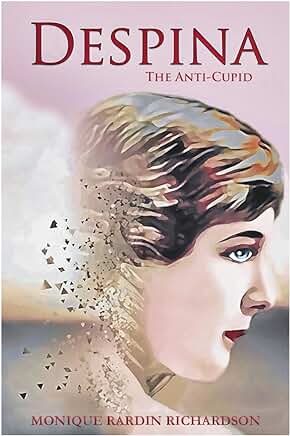
Monique Richardson’s book, Despina, has been published and can be purchased at Barnes and Noble and Amazon. She was also on the SolFul Connections podcast talking about her memoir. Her poem, “Now She Knows,” was published in The Wingless Dreamers Poetry on Life anthology.
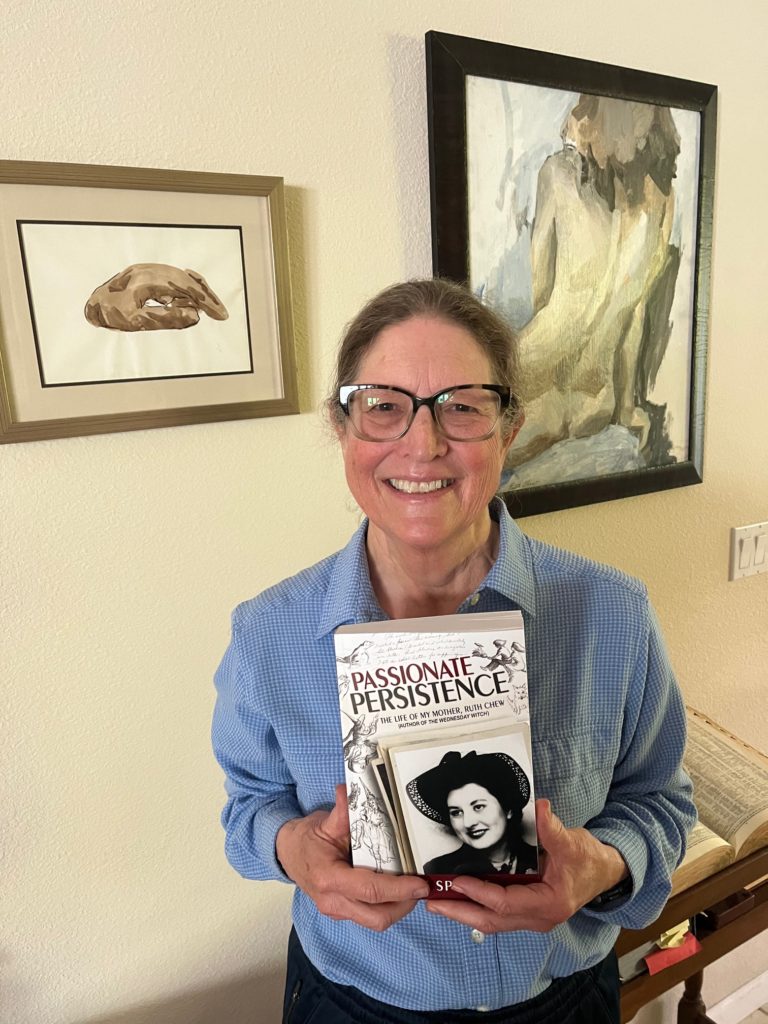
Eve Sprunt’s book, Passionate Persistence: The Life of My Mother, Ruth Chew, is now available on Amazon. http://Amazon.com%20:%20passionate%20persistence Here she is with her new book in front of two of her mother’s paintings that she did late in her life when she was a student at the Art Students League in Manhattan.

George Cramer will be attending Left Coast Crime in Seattle. He will be a panelist discussing Talking About Tough Topics: Writing About Addiction, Mental Illness, PTSD, etc. George and renowned Police Psychologist Dr. Ellen Kirschman are offering Coffee with a Cop for a no-holds-barred conversation about cops, both real and fictional. Free ticket reservations for Coffee with a Cop will open on March 1st at
https://CoffeeWithCop.eventbrite.com
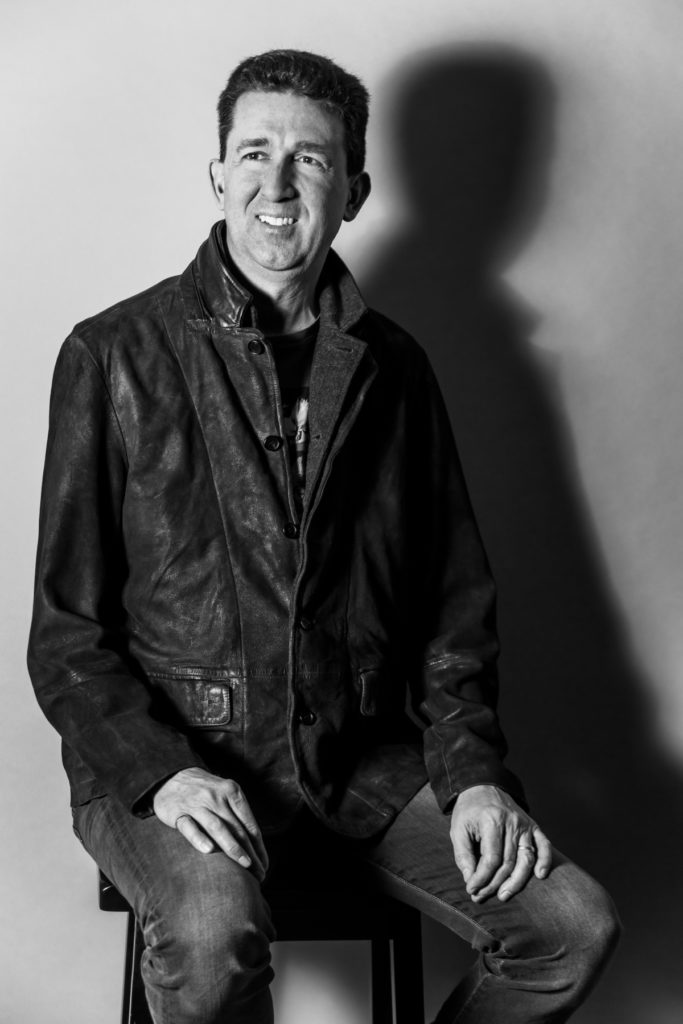
James Morehead just published a collaborative interview with fellow poet Tennison S. Black in The Critical Flame.
https://criticalflame.org/conversations-tennison-s-black-and-james-morehead/
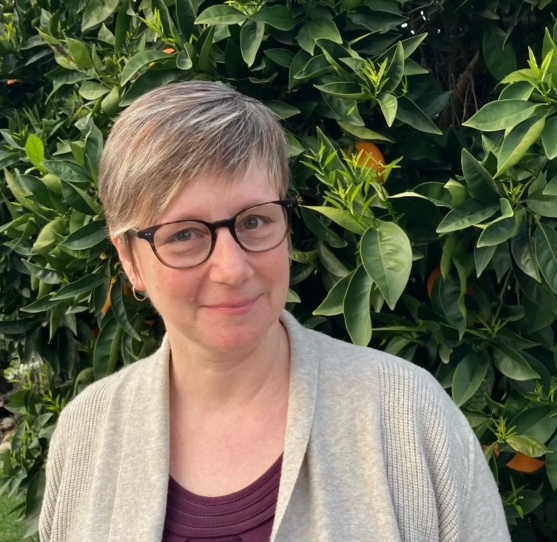
Gillian Wegener, published poet, and president of the Modesto-Stanislaus Poetry Center, will present “The Relevance of Poetry in Our Everyday Lives, or Poetry and Why it Makes Our Lives Better,” at the Tri-Valley Writers April 20, 2024, meeting. We turn to poetry in times of grief and in times of celebration. It comforts us, it inspires us, and it connects us to each other. Every year someone says that poetry is dead or dying, and every year, they are proven wrong. Poetry is relevant every day, everywhere, and for just about everyone.
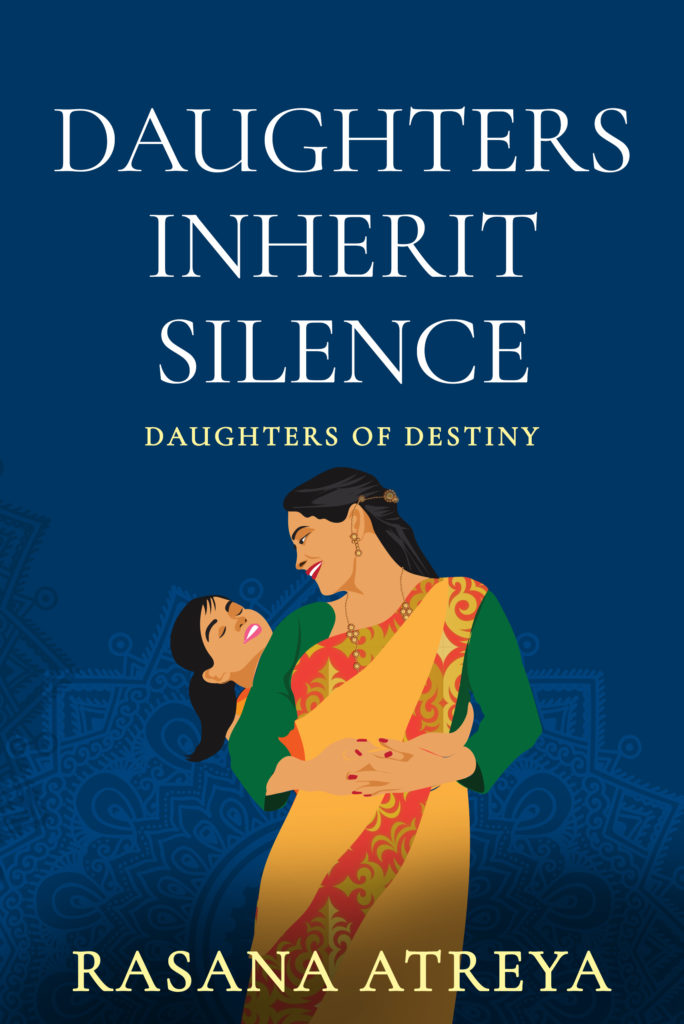
Rasana Atreya’s novel, Daughters Inherit Silence, was a finalist in the 2023 Indie Author Project (California Adult Fiction). This contest is curated by librarians.
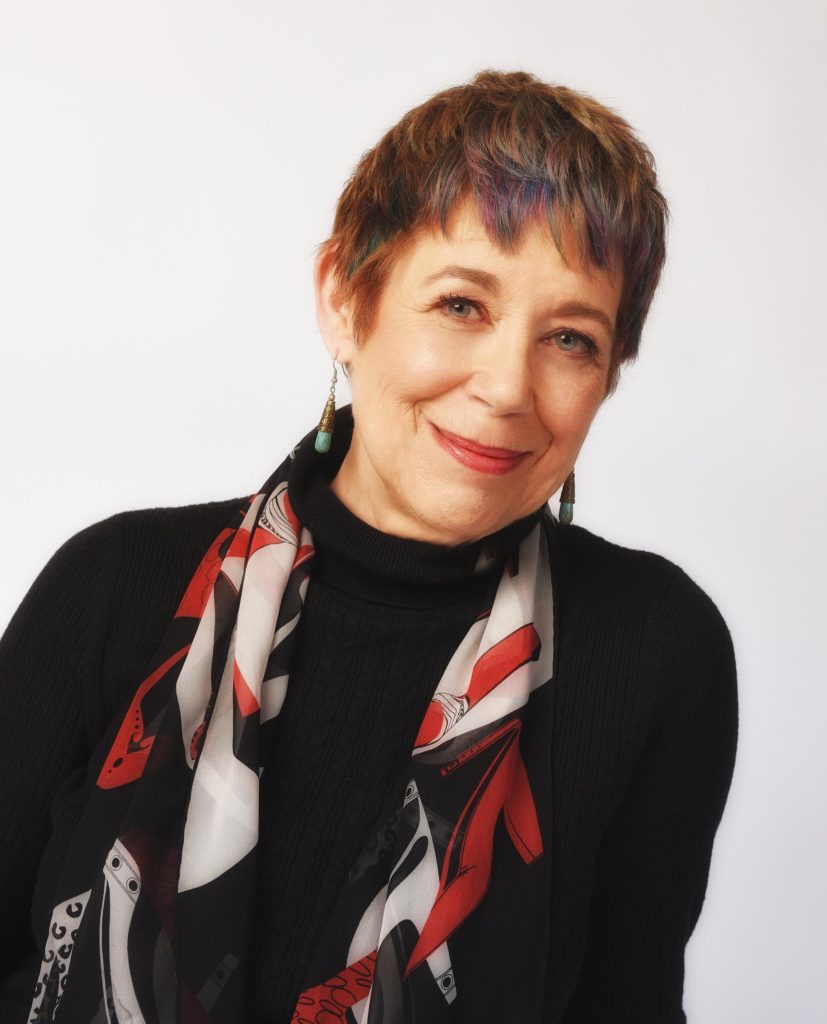
Tri-Valley Writers will host a workshop, “The Magic of Bringing Characters to Life on the Page—Secrets for Memoir and Fiction,” presented by Linda Joy Myers, founder of the National Association of Memoir Writers, and writing coach for fiction and memoir on March 16, 2024 from 1:00 – 4:30 p.m.
NOTE: This is a workshop and therefore will run longer than normal and the meeting fee will be higher. Attendees may begin registering for this event after February 17, 2024.
We’ve all read books where we stay up late at night or read under the covers with a flashlight because we’re so engrossed in a book. We keep turning the pages to find out what happened to the characters. We are bonded to them. We feel their pain, joy, and conflicts. As writers, we wonder, and struggle, how to create vivid and emotionally strong characters in our own work.
For memoirists, we may feel reluctant to write about people we loved and/or hated, and we also struggle with creating ourselves as protagonists—we know ourselves too well. Sometimes, we don’t know ourselves well enough. In fiction, we make people up out of whole cloth—almost. It’s an art and a science to create characters that keep readers engaged in our stories. In this workshop we’re going to look at the inside/outside methods of creating characters.
We will discuss the psychology of creating characters—the inside, and the ways characters present themselves that are observable. We’ll talk about portraits of characters that include attitude, movement, desire, and dialogue. For memoir, you need to feel free to present real people you once knew as characters. In fiction, you’re free to shape and create characters, but how do you decide who they are, what they want, and how can you bear to put them through the trials that are demanded by the story?